Patchouli Oil Grades Explained: Dark, Light and Iron Free
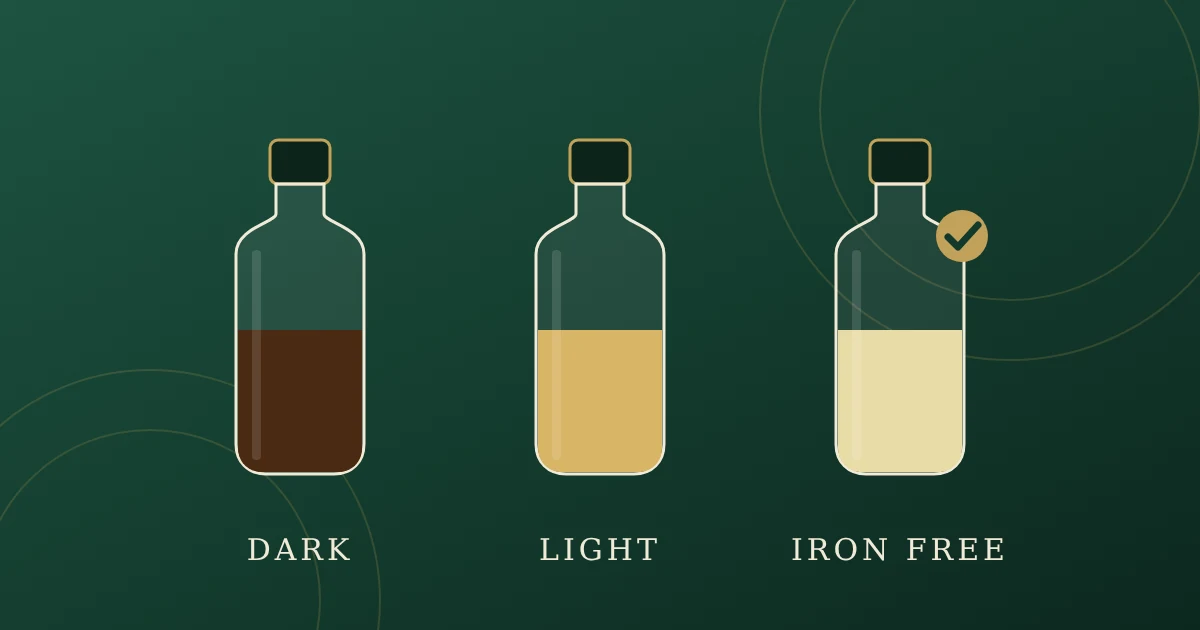
Patchouli oil is bought on grade as much as on price. Two lots both labelled patchouli can differ in colour, aroma and behaviour in your formula. This guide explains the grades you will meet and what to ask a supplier before you order.
What patchouli oil is
Patchouli oil is steam-distilled from the dried, fermented leaves of Pogostemon cablin. Its deep, woody and sweet-earthy aroma and strong fixative power make it a backbone of perfumery, and it is widely used in cosmetics, soap and aromatherapy. Indonesia is one of the world’s leading origins, with patchouli oil exports reaching USD 173.4 million in 2025.
The three grades you will see
Suppliers usually describe patchouli oil as Dark, Light or Iron Free. The names are common trade shorthand, so the exact meaning can vary a little between producers.
| Grade | Look and aroma | Best suited to | Worth checking |
|---|---|---|---|
| Dark | Deep amber to brown; rich, earthy, slightly sweet | Fine fragrance where depth and fixative strength matter | Colour can affect pale products |
| Light | Paler; cleaner and less heavy | Fragrances that need a lighter, cleaner patchouli note | Process differs by producer, so ask how it is made |
| Iron Free | Treated to remove traces of iron | Soap, lotion and light-coloured formulas | Confirm the treatment method and test a sample |
Dark patchouli oil is the traditional, full-bodied style. Its colour and depth have historically come from distillation in iron equipment. Light patchouli oil is paler and is often described as cleaner and more refined. Iron Free patchouli oil is treated to remove traces of iron picked up during distillation. Iron can darken or discolour finished products, which is why this grade is preferred for pale soaps, lotions and light-coloured formulas.
Patchouli alcohol: the main quality marker
The most common measure of quality is patchouli alcohol (PA), also called patchoulol. Trade specifications for Indonesian patchouli oil often quote a minimum PA percentage, commonly around 30 percent, but the right figure depends on the grade and on your application. Ask for the number in writing and make sure it is backed by a Certificate of Analysis (CoA) for the exact batch you will receive.
Other checks worth asking for
- GC analysis: a gas chromatography profile shows the composition and can help reveal adulteration with cheaper oils.
- Physical data: density, refractive index and acid value, compared against the agreed specification.
- Sensory check: colour and aroma compared with an approved reference sample.
How to choose for your application
- Fine fragrance: Dark for depth and fixative strength, or Light for a cleaner, less heavy note.
- Soap, lotion and pale products: Iron Free, to avoid discolouration.
- Candles and home fragrance: test a sample in your own base before committing to volume.
Whatever you choose, always evaluate a sample in your own formula before placing a larger order.
What to include when you request a quote
- Grade and minimum patchouli alcohol percentage
- Quantity and packing (jerrycans, drums or sample bottles)
- Destination port and Incoterms (FOB or CIF)
- Documents needed, such as CoA, Safety Data Sheet and certificate of origin
Looking for patchouli oil? See our patchouli oil page for details, or tell us the grade, volume and destination and we will reply with availability and pricing.
Patchouli oil specifications Request a quoteRelated reading: Vetiver oil How to read a CoA All articles